Free Engineering White Paper

Before You Specify an Explosion-Proof Press

Document the hazard, classified boundary and equipment requirements before the RFQ. This practical white paper walks through five decisions that can help prevent redesign, field modifications and commissioning delays.

Could One Classification Decision Change Your Entire Press Specification?

Complete the form and we will email you a link to the white paper.

Instant access. No sales call required.

Start with the process

“Explosion Proof” Is Not a Complete Specification

What is the hazardous material? When can it be present? Which components sit inside the classified area? Which markings and documentation are required?

Without those answers, an equipment builder cannot accurately define the press, controls or installation scope.

  • Reduce late equipment redesign
  • Avoid mismatched components and markings
  • Plan documentation and approval requirements earlier
  • Compare press proposals more accurately
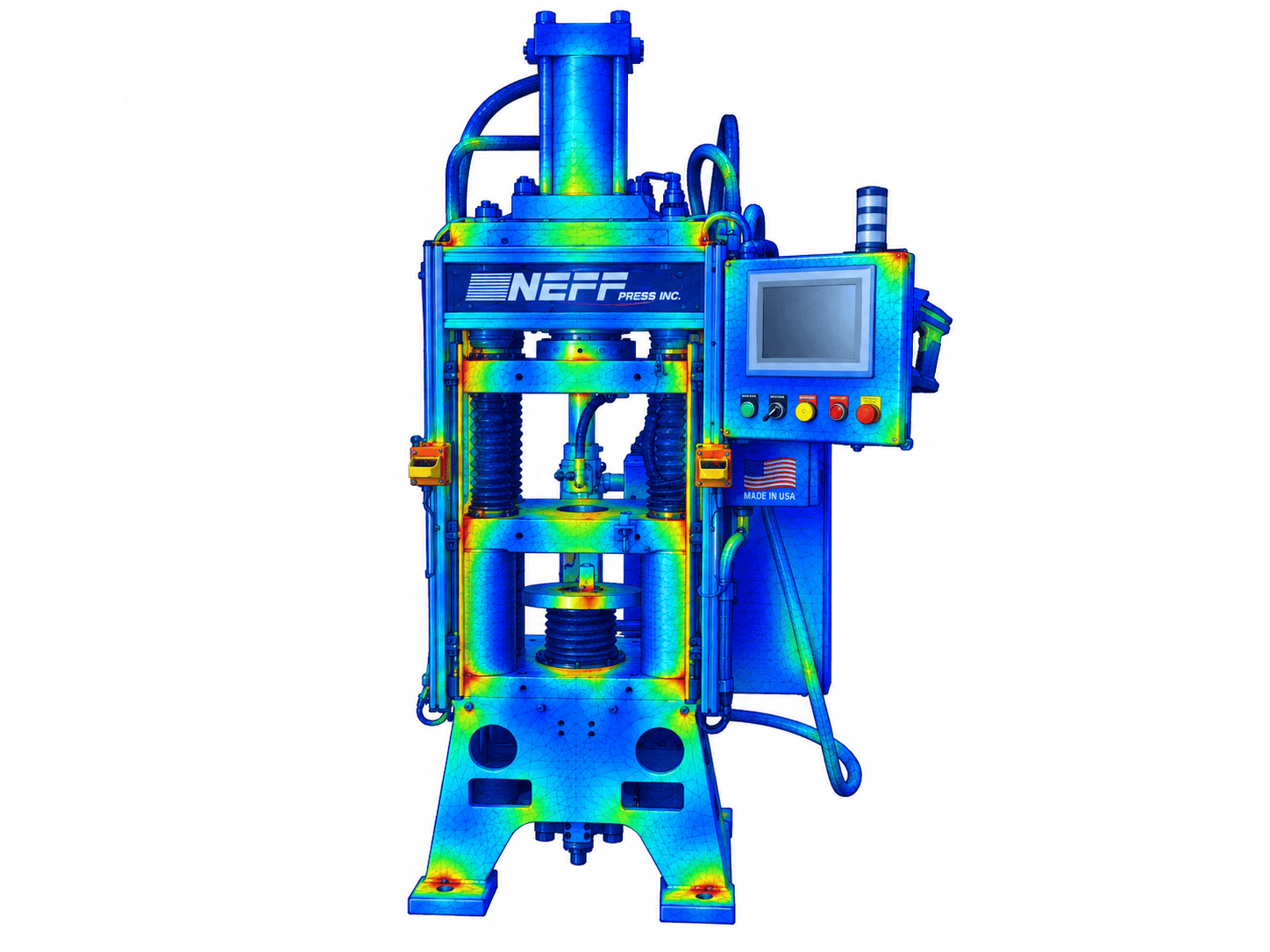
Finite element analysis model of a custom press frame
Application engineering begins before the press is built

Inside the White Paper

Build the Equipment Scope Before You Specify the Press

Explosion-proof press requirements are rarely defined by a single component or rating. The white paper explains how the material, process, classified boundary and operating conditions work together to shape the complete equipment scope.

01

Translate Area Classification Into Equipment Requirements

Understand how the documented hazardous area affects the press, controls and supporting systems.
02

Catch Scope Gaps Earlier

Identify questions that should be resolved before components are selected, drawings are released or equipment is quoted.

03

Evaluate the Complete Press System

Consider motors, controls, sensors, wiring methods, hydraulic components and interfaces across the classified boundary.

04

Prepare for Review and Approval

Learn what documentation, installation details and approval considerations may need to be addressed before commissioning.

05

Ask Better Questions During Specification

Give engineering, safety, operations and equipment suppliers a clearer starting point for defining the application.

A common specification question

Does the Whole Press Need a Hazardous-Location Rating?

Not always. The required equipment scope follows the classified boundary and the ignition-capable components located inside it.

A control cabinet may sit outside the classified area while a motor, sensor, operator station or cable entry remains inside. Every component inside the boundary must be evaluated for the actual application.

The owner or designated authority defines the area classification. Neff Press can translate the completed classification requirements into a defined press and controls scope for technical review.
Illustrative classified boundary
Motor
Sensor
Operator Station
Cable Entry
Control Cabinet Outside Boundary
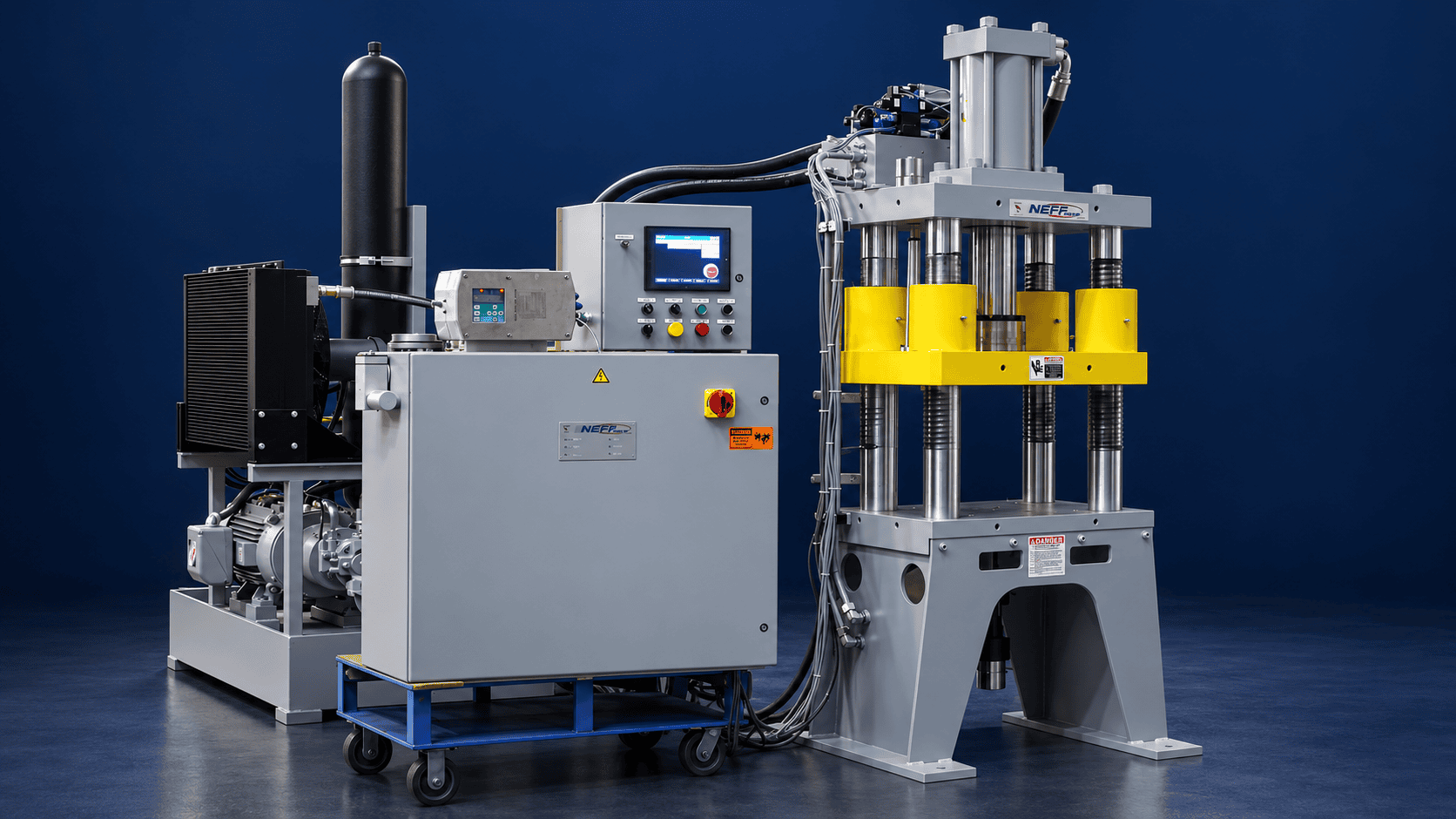
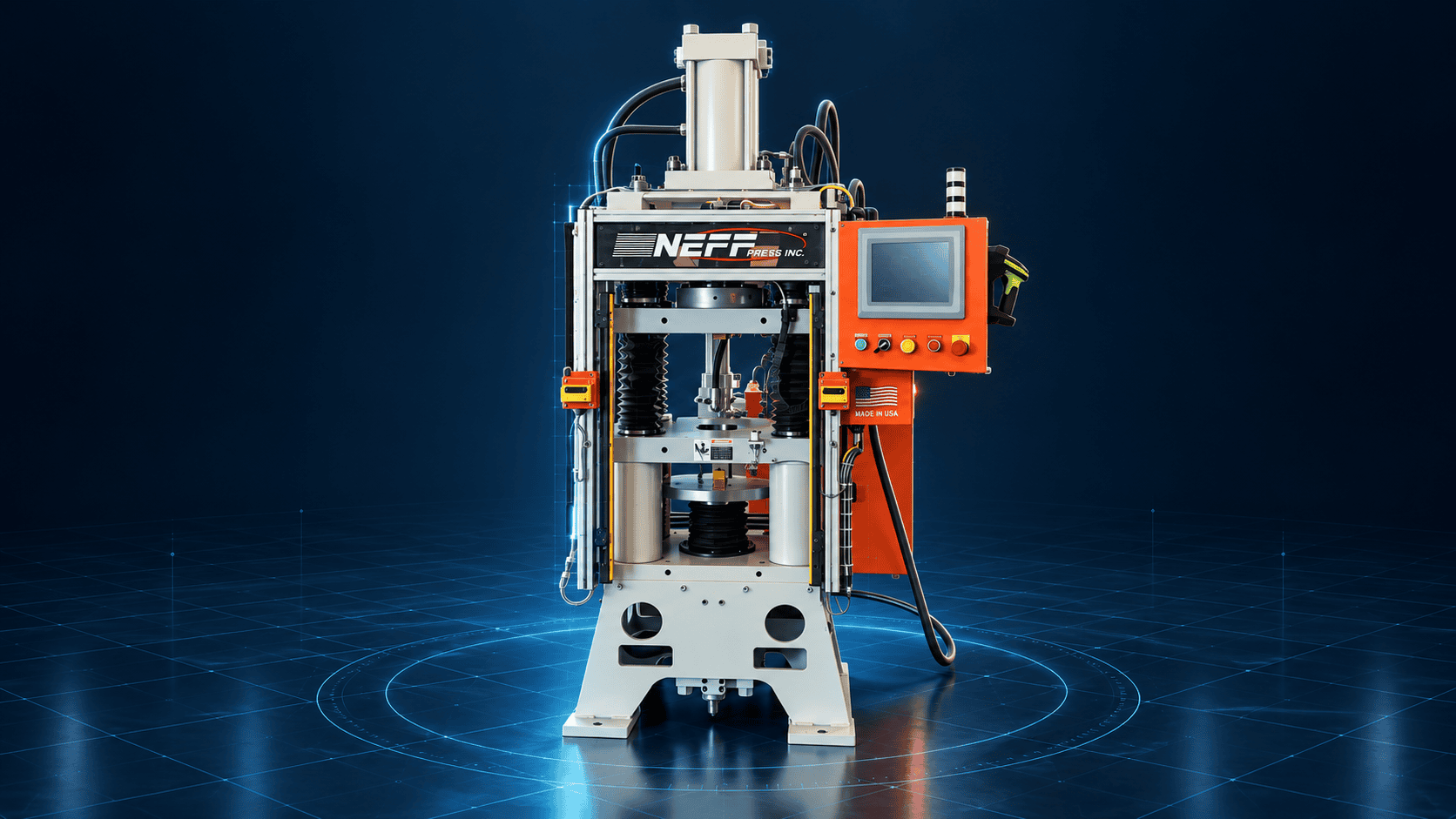
Custom Neff Press on the manufacturing floor

Custom press engineering

Built Around the Process and the Documented Classification

Neff engineers hydraulic and electric servo press systems around the part, tooling, production goals and site requirements.

  • Hazardous-location component integration
  • Purged or pressurized enclosure strategies when applicable
  • Open-architecture Allen-Bradley controls
  • Automation and material-handling integration
  • Factory and site acceptance planning
  • Parts and service after installation

Final component selection and protection methods must follow the governing code, classification documentation, certification conditions and project authority requirements.

See What We've Built.

From powder compaction to explosion-proof air bag manufacturing, Neff Press designs every system around your process.
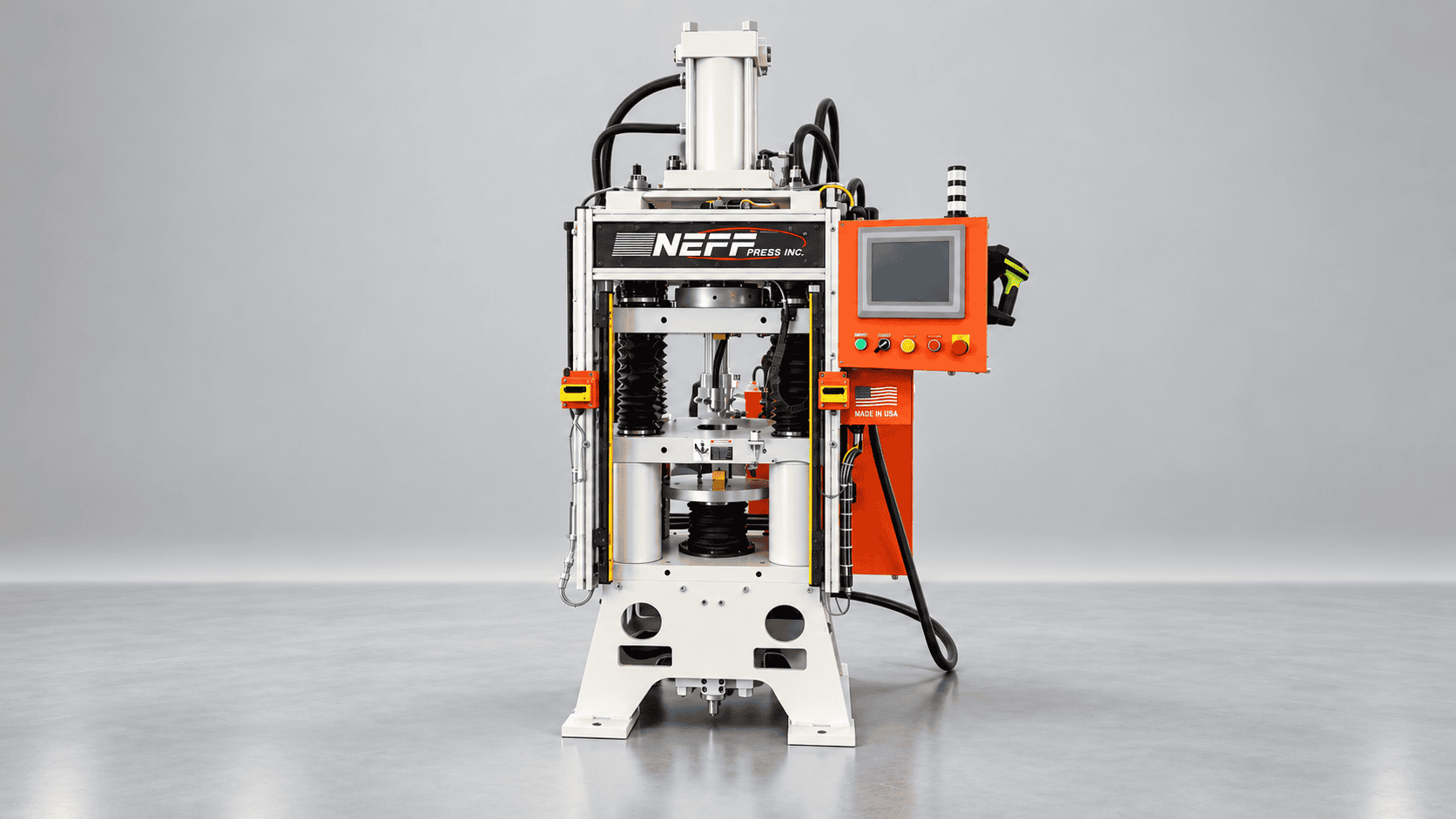
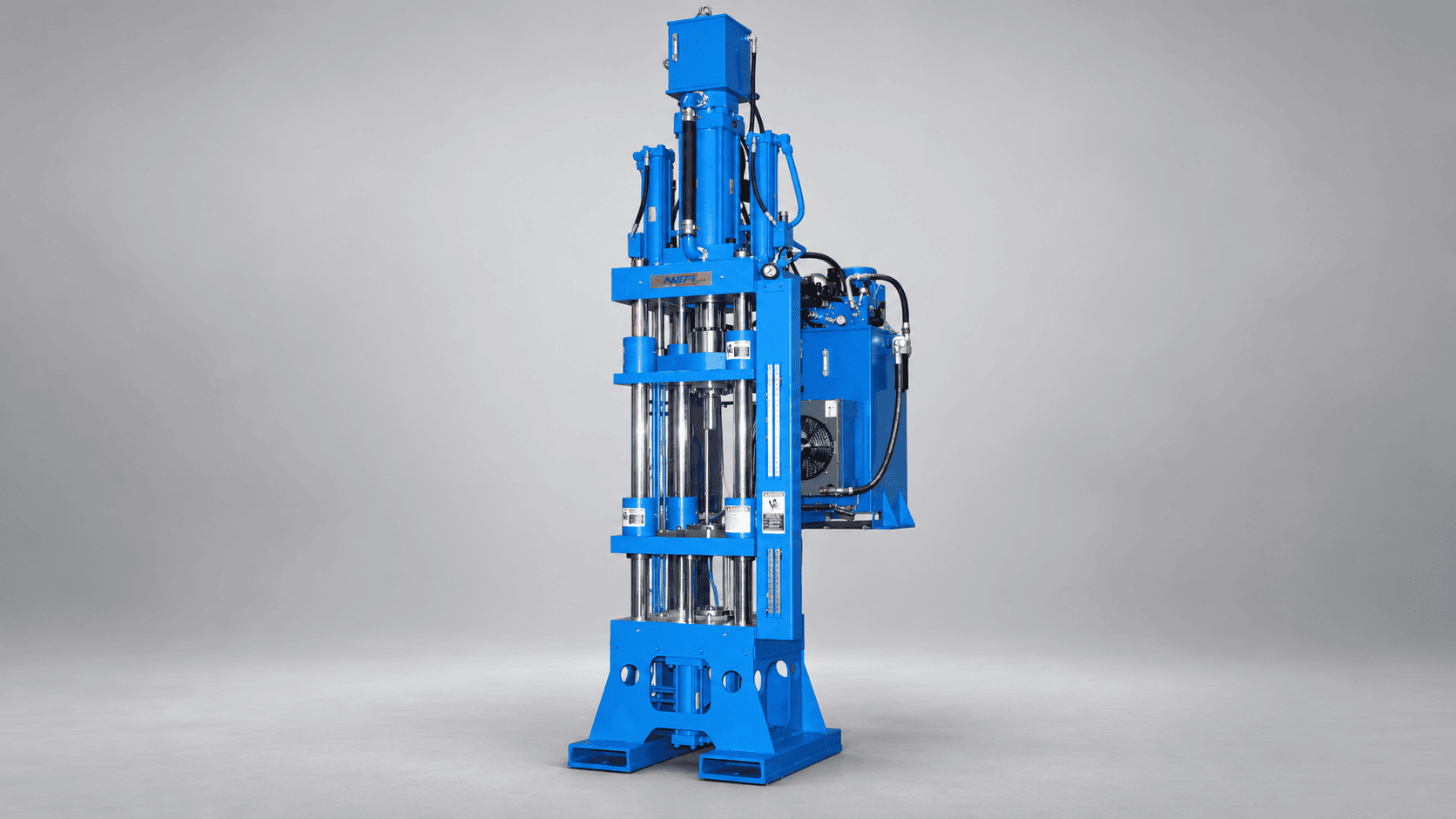
  • Neff custom hydraulic press
    Servo Hydraulic Compaction Press60 Ton Four-Post Guided
  • Neff RG450 450-ton precision-guided hydraulic column press
    Custom Explosion proof PressHydraulic Four-Post Column Press
  • Neff custom hydraulic press
    Custom Explosion Proof PressBuilt for compaction
  • Neff electric servo press
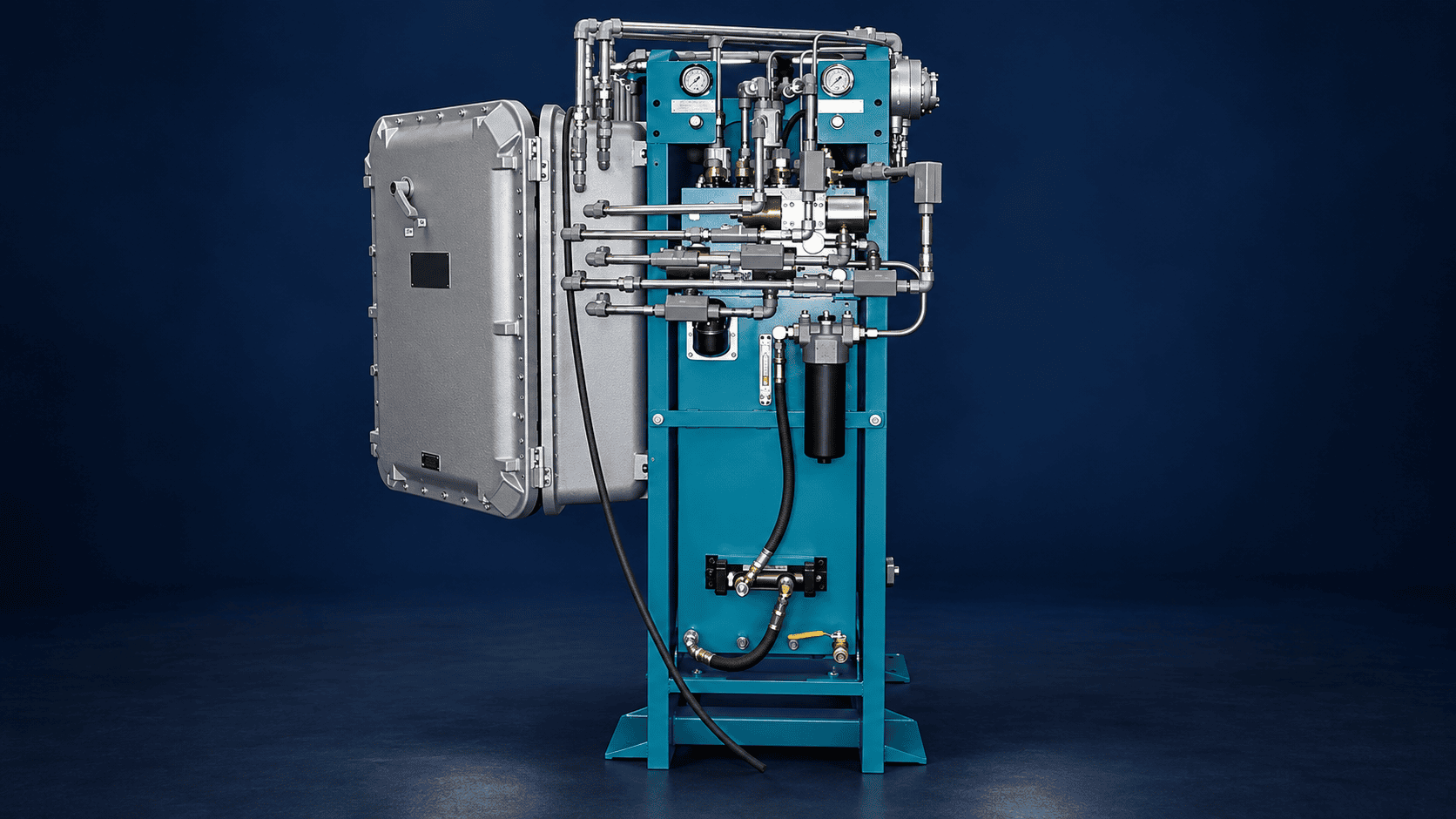
    Custom Explosion Proof PressExplosion proof controls
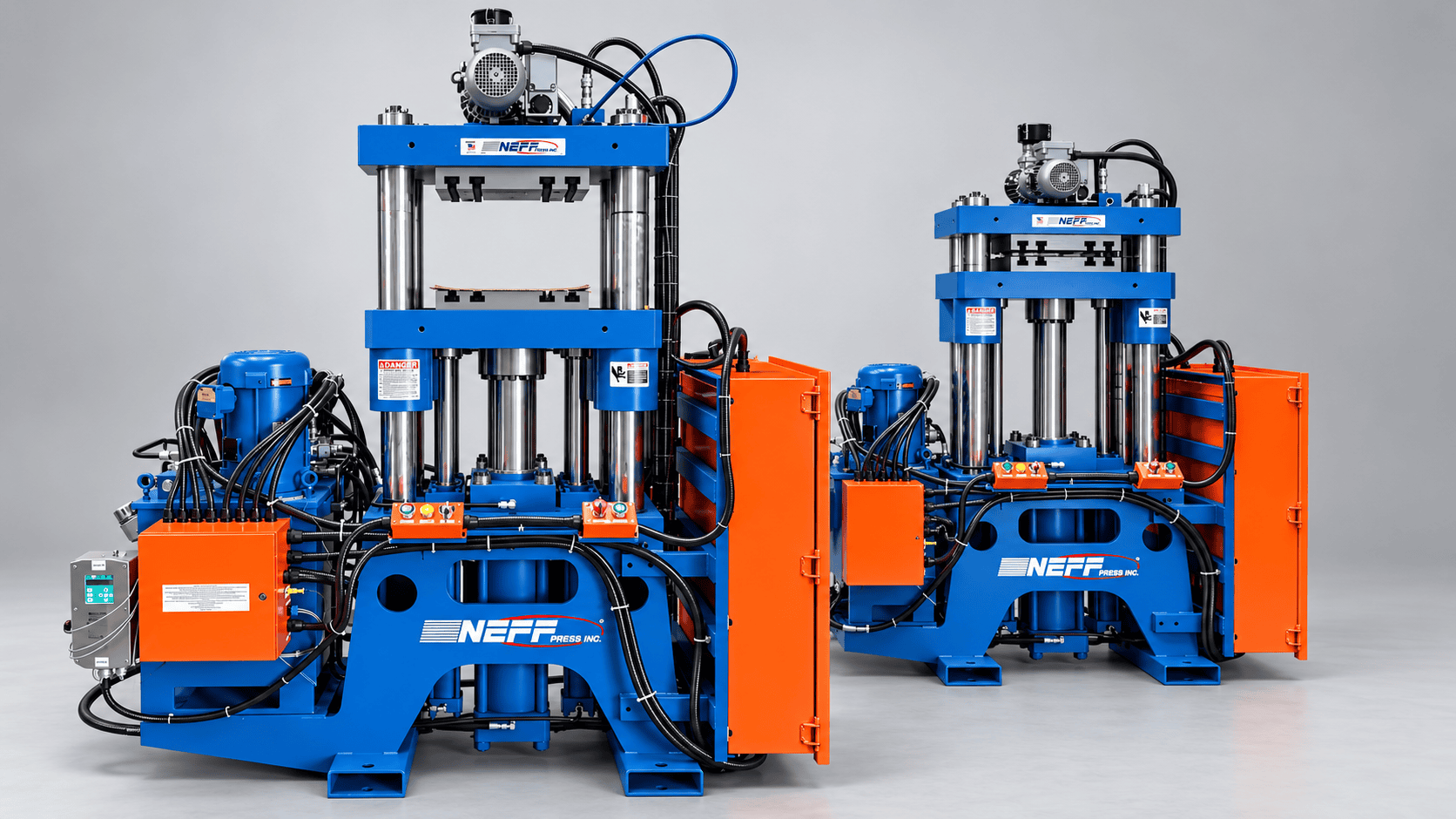
  • Neff can-making production line with custom hydraulic presses
    Class II Explosion ProofNEC 500 Class II, Division 1, Group G

Talk through the application

Have an Explosion Proof Press Question?

Share what you know about the process, material or classified boundary. An engineer can help identify what information is still needed before the equipment scope is finalized.

Ask an engineering question
 (314) 854-1200

USA-built custom hydraulic & electric servo presses from 2–10,000 tons. 60+ years in business, 13,000+ presses delivered. Get a quote today.

This page and the accompanying white paper are educational and do not constitute an area classification, engineering approval, certification or legal interpretation. Classification and approval requirements must be confirmed for the actual process and jurisdiction.