Home › Briquetting › MetalBrik Briquetting Systems
Loose metal chips cost you in three ways: lost coolant, high hauling costs, and low scrap return. The MetalBrik system compresses chips into dense, dry briquettes while recovering up to 99% of embedded cutting fluid. Custom-engineered. U.S.-built. ROI in under a year.
Most shops treat metal chips as a disposal problem. The MetalBrik system turns it into a recovery opportunity.
Loose chips carry embedded coolant to the scrap bin. That fluid never comes back without a recovery system.
Loose chips take up far more volume than briquettes. You pay to haul air. Dense pucks cut hauling frequency.
Scrap buyers pay less for loose wet chips than for dense dry briquettes. The difference is measurable per ton.
Wet chips with embedded coolant create EPA compliance exposure. Dry briquettes eliminate that concern.
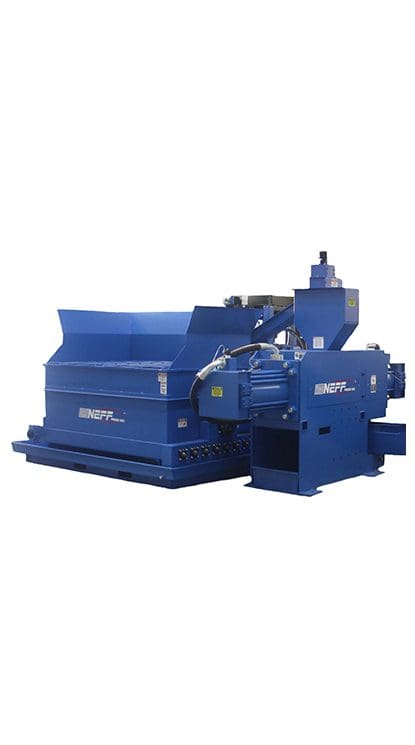
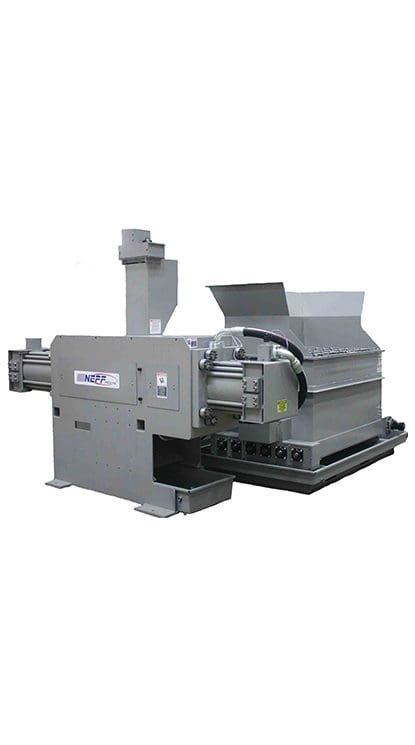
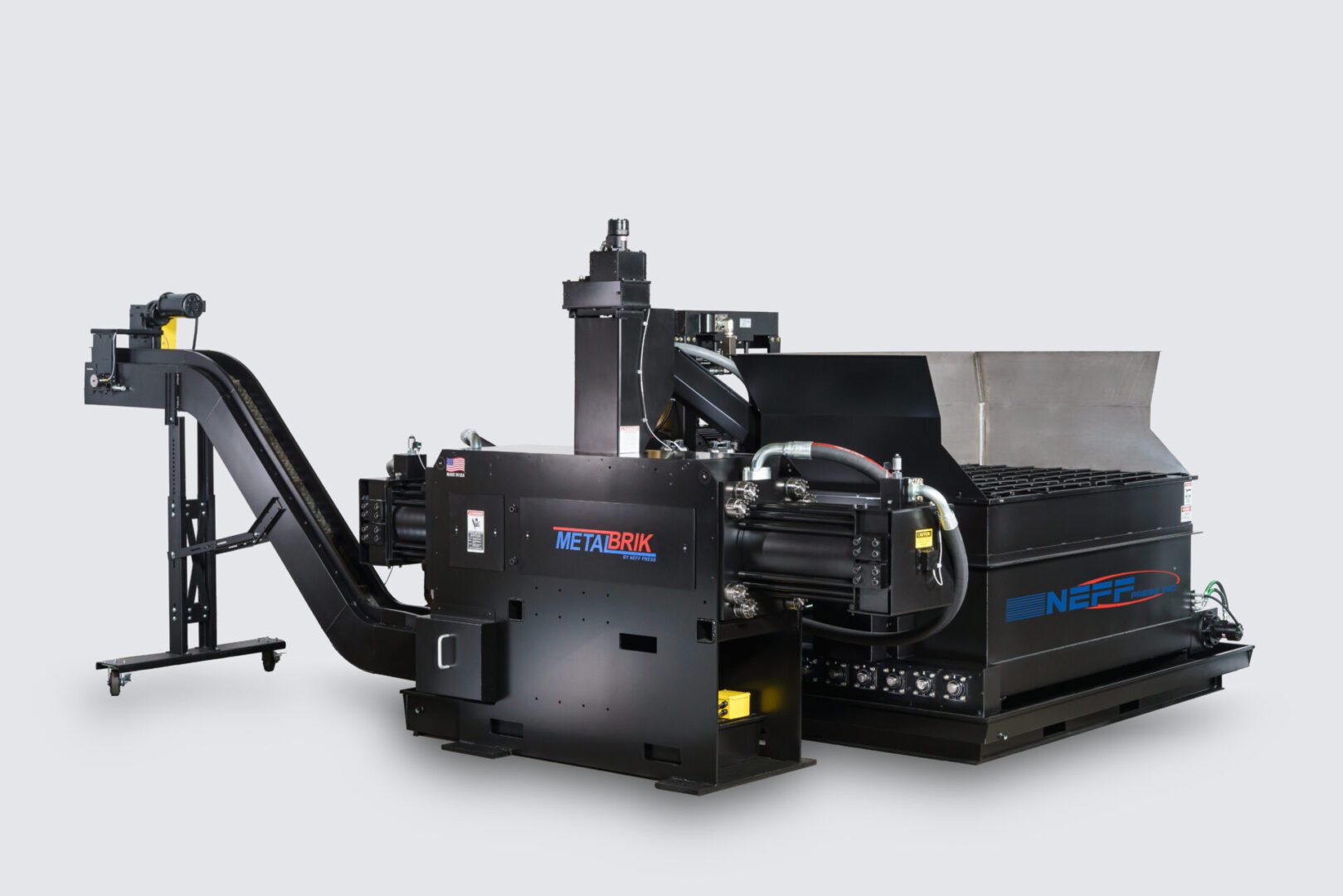
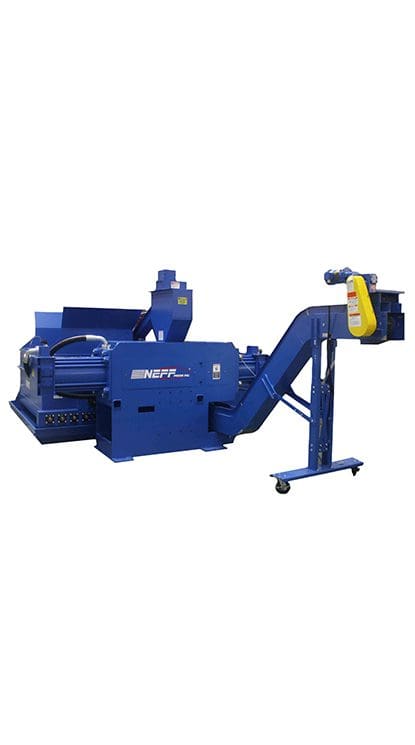
MetalBrik briquetting systems compress metal chips, turnings, and swarf into the industry’s densest near-solid pucks while capturing embedded coolant and cutting fluids. Every system is custom-engineered to your exact material spec, chip geometry, and production volume.
From 250 to 2,000 lbs of material per hour, MetalBrik handles ferrous and non-ferrous metals with modular configurations designed around your operation. One MetalBrik unit has run in daily production for over 20 years without a single issue.
| Specification | MetalBrik |
|---|---|
| Throughput | 250 – 2,000 lbs of material per hour |
| Compression | Dual-ram: 40 tons of force from two opposing rams |
| Briquette density | ~90% near-solid |
| Coolant capture | Up to 99% of embedded coolant and cutting fluids |
| Coolant savings | 50 – 75% reduction in new coolant purchases |
| Typical ROI | Under 1 year for high-volume operations |
| Materials | Ferrous and non-ferrous: aluminum, cast iron, steel, stainless, titanium, copper, brass |
| Build | Custom-engineered, modular configurations, U.S.-built |
| Field reliability | 20+ years in daily production |
| Availability | Missouri and Illinois |
| Specification sheet |
Most briquetting machines use a single hydraulic ram, which results in inconsistent density, violent cycling, and variable puck quality. MetalBrik eliminates these problems by pressing metal equally from both sides simultaneously.
This dual-ram action produces a stable, consistent, more compact puck every cycle. No violent cycling. Minimal noise. The same result, every time.
MetalBrik system overview, capabilities, and available configurations. PDF.
MetalBrik systems are configurable with a full range of options to match your volume, material, and facility requirements.
Ferrous and non-ferrous chips, turnings, and swarf.
Dense, consistent pucks every cycle.
Recover value from every load of chips.
Move chips in and briquettes out with less handling.
Capture, condition, and reuse cutting fluid.
Match the controls and tooling to your facility.
Neff Press engineers size the right MetalBrik model using several factors from your process and materials.
How many pounds of chips per hour or per shift need to be processed?
Aluminum briquettes differ from steel or titanium. Mixed-alloy streams require specific model selection.
Fine chips, long turnings, and swarf each affect throughput and require different infeed configurations.
High-moisture chips may need upstream processing to reduce fluid before briquetting for optimal puck quality.
Scrap buyers and furnace operations each have specific requirements. Neff confirms compression force and geometry in lab testing before shipment.
If yours isn’t here, call us at (314) 854-1200 or request a quote below.
In many cases, yes. Dense briquettes are easier to recycle and re-melt than loose chips, which may help improve scrap value depending on the material and recycler. Dry briquettes weigh more per unit volume and typically command a better per-pound price than wet, loose chips.
Neff Press engineers size the correct model using your mass flow rate, alloy mix, chip geometry, coolant content, and target puck specification. You submit a chip sample, Neff Press tests densification, fluid recovery, and residual moisture, then returns a written ROI model and machine specification.
Single-ram briquetters apply force from one direction, resulting in inconsistent density and variable puck quality. MetalBrik applies 40 tons of force from two opposing rams simultaneously, producing the industry’s densest near-solid puck in every cycle with no violent cycling and minimal noise.
MetalBrik captures up to 99% of embedded coolant and cutting fluids during compression. The fluid recovery tank routes reclaimed coolant to a recycling system for return to the machining process, reducing new coolant purchases by 50 – 75%.
MetalBrik systems are currently available in Missouri and Illinois. Contact us to discuss your project and timeline for availability in your region.
Tell us about your metal chips, material type, and production volume. The Neff Press team will help determine whether a MetalBrik system is the right fit for your operation and return a written ROI model.