Modernizing Aluminum Can Forming with Advanced Press and Motion Control Technology
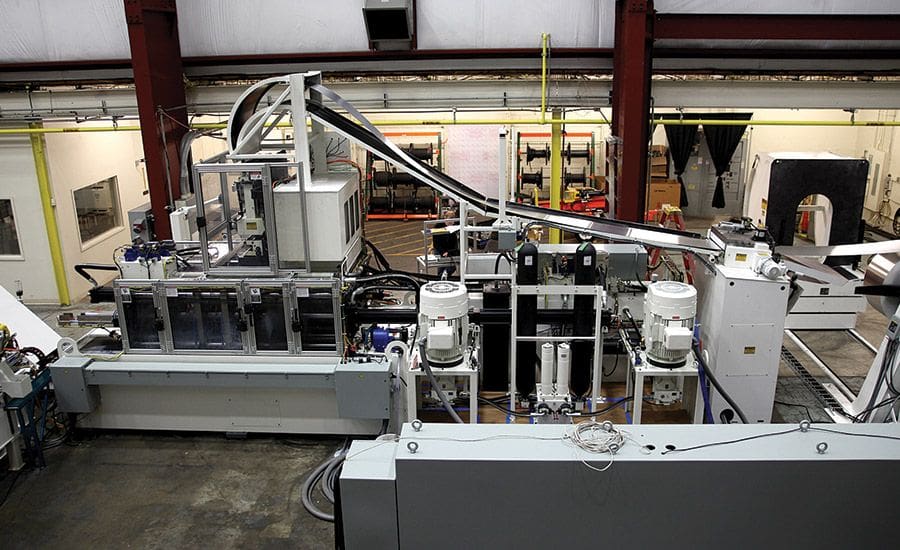
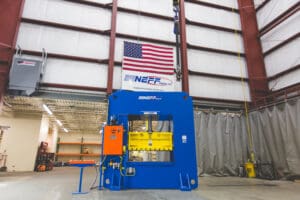
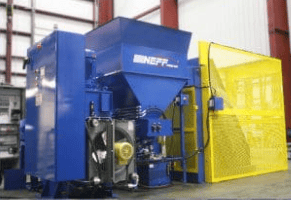
When improving a manufacturing process, it often pays to step back and evaluate the operation as a whole rather than tweaking individual steps in isolation. That was the philosophy behind a recent upgrade to an aluminum can-forming line, where a manufacturer partnered with St. Louis-based Neff Press Inc. to replace aging equipment. Alongside a brand-new press, the project incorporated an eight-axis electrohydraulic motion controller from Delta Computer Systems to push efficiency even further.
The original operation relied on a forming method known as reverse draw and ironing. According to Neff Press chief engineer Jon Schmidt:
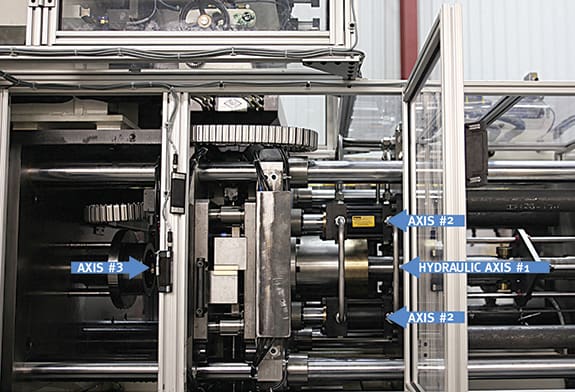
Much of the performance gain comes from how the motion controller manages force. For this line, the controller coordinates five hydraulic axes, each capable of exerting up to 40 tons. Three of those axes combine into a triple-action first station that blanks the aluminum, draws it into a cup, and then inverts it into a shell. That inversion step is key to keeping the metal from tearing as it’s stretched. Equally important is binder force: pinch the blank too hard and it tears, too little and it wrinkles. Precise, adjustable control over that pressure is where electrohydraulic systems outshine traditional spring or pneumatic cushions, which can’t hold a steady, accurate force.
The controller’s “virtual gearing” feature lets multiple axes behave as if mechanically linked, so the cushion can follow the punch and position each can precisely. That repeatability solved a persistent problem: under the old process, cans were frequently dropped during the robotic handoff to the next stage. A fourth axis handles scrap removal, while a fifth performs the ironing step that presses each cup to its final length.
Because the system uses infinitely adjustable, servo-quality valves rather than simple two-position valves, the operation avoids the hydraulic shock that historically wore out pumps and valves and drove up maintenance. Interestingly, running the machine slowly isn’t a fix—gentle motion actually causes the metal to tear. Precise control instead allowed higher velocities while maintaining quality. Real-time force and position feedback (via pressure sensors and magnetostrictive transducers) rounds out the system.
The results reported were substantial: changeover time between can models was cut in half, output rose by about 25 percent, and cycle time dropped by roughly three seconds per can.